AGP Executive Report
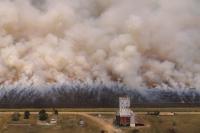
Last update: 5 hours agoData Centers & Local Economy: A Canton, Miss. data-center buildout tied to Amazon Web Services is already boosting local engineering work and could expand workforce training for students. Public Health & Regulation: Federal regulators are weighing changes to radiation rules tied to the “as low as reasonably achievable” standard, raising concerns for worker safety as nuclear power interest returns. Disaster Recovery: Stillwater County, Miss. is set to receive $2.9 million in federal funds to repair flood-damaged wastewater infrastructure supporting business growth. Kratom Crackdown in Mississippi: Authorities investigating two University of Mississippi student deaths found packaged kratom at both scenes, while Alabama continues enforcing a Schedule I ban and urging the public to avoid unregulated products. Energy & Industry Innovation: Solidec won a $250,000 climate prize for plans to make low-carbon chemicals on site, aiming to cut reliance on centralized, fossil-heavy chemical logistics. Wildfire Response: Mississippi National Guard crews helped fight Arkansas’s Bunker Fire, including aerial water drops, as the blaze reached 90% containment. Workforce & Education: Mississippi is using an $8.5 million grant to strengthen community-college workforce training. Local Governance: The Convention Center Authority added three new board members and reappointed two others.
Note: AI summary from news headlines; neutral sources weighted more to help reduce bias in the result. Feedback is welcome. Please let us know if you have any comments or suggestions about the AGP Executive Report.

 Perspectify News